
Emaciated, penniless, and humiliated,
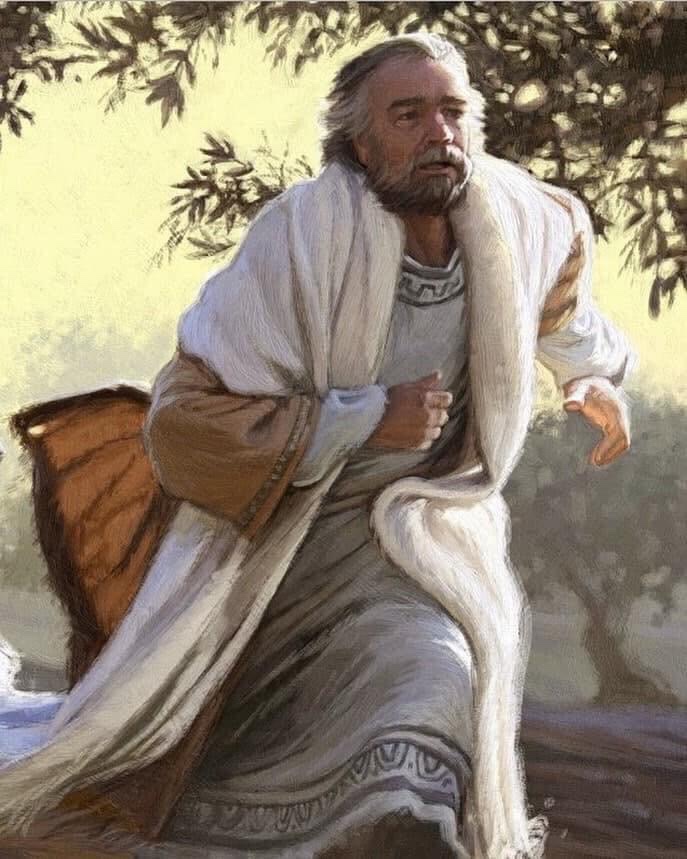
His father “saw him, and had compassion, and ran” to him.
The fact that he ran is significant.
In this time period and culture, elderly men never ran.
It was both unusual and humiliating for the father,
A wealthy man with a high social status and many servants,
Someone who was esteemed in his community,
To run to his wayward son.
A son who had demanded his inheritance while his father was still healthy,
Essentially telling his father, “You’re dead to me,”
As he left the Holy Land to gamble and waste the money in a pagan country.
So why would the father run to meet his son?
Why not just wait for his son to come to his door?
There was a ceremony in ancient Jewish culture called the kezazah
Or the “cutting off.”
It was performed when a Jewish man left his community
lived with Gentiles,
and lost his wealth.
When he returns to his hometown,
The wayward man would go to the city gates
And the villagers would gather
And break a pot at his feet
Symbolizing the broken relationship between the community and the sinner.
The man would be officially cut off from his faith,
His community,
His family.
So when the father ran to his son while the boy was still “yet a great way off,”
He ran to save his son
From the shame of the kezazah,
And from being symbolically broken off from his people and God.
His father put him the best robe,
Put a ring on his finger,
Fed him the fatted calf,
And threw him a feast.
The whole village would have gathered for the event
And the son would have been publicly restored.
Jesus Christ does not wait for us to come to the gate.
He runs out to us.
He saves us from being broken away from our families.
He brings us in,
And covers us with His matchless Grace,
However undeserving we may be.
***Written by Sarah Keenan
******Artwork by Dan Burr “The Sepulchre“

 Reclaimed Wholeness: Reclaim Your True Identity